Rosslyn Hill gardeners for period terraces and courtyards
Period terraces and courtyard gardens in Rosslyn Hill have a charm that is hard to fake. The brickwork, the narrow footprints, the tucked-away light, the sense that every plant and paving choice has to earn its place. That is exactly why Rosslyn Hill gardeners for period terraces and courtyards need a different kind of approach: one that respects the building, works with the microclimate, and keeps everything looking polished without feeling stiff.
If your outdoor space is small, shaded, overlooked, or simply a bit awkward, you are not alone. In fact, that is often where the best gardens happen. With the right plan, a courtyard can feel calm and welcoming; a terrace can feel generous rather than cramped. This guide walks through how experienced gardeners approach these spaces, what makes them tricky, and how to get results that suit the character of the property rather than fighting it.
Along the way, you will find practical steps, a simple comparison table, a checklist, and a few common-sense tips that save time later. Let's face it, a beautiful terrace is lovely - but a beautiful terrace that also drains well, stays manageable, and does not become a weekly headache is even better.
Table of Contents
- Why Rosslyn Hill gardeners for period terraces and courtyards Matters
- How Rosslyn Hill gardeners for period terraces and courtyards Works
- Key Benefits and Practical Advantages
- Who This Is For and When It Makes Sense
- Step-by-Step Guidance
- Expert Tips for Better Results
- Common Mistakes to Avoid
- Tools, Resources and Recommendations
- Law, Compliance, Standards, or Best Practice
- Options, Methods, or Comparison Table
- Case Study or Real-World Example
- Practical Checklist
- Conclusion
- Frequently Asked Questions
Why Rosslyn Hill gardeners for period terraces and courtyards Matters
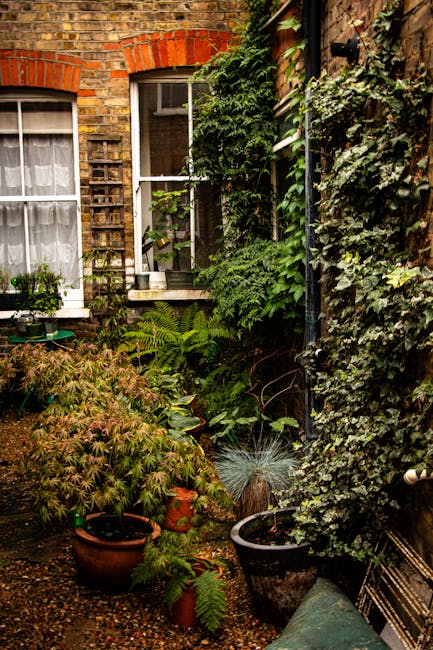
Period terraces and courtyards are not blank slates. They often come with original stone, old brick walls, basement light wells, mature boundaries, and a layout that was never designed for broad, modern planting beds. That is part of the appeal. It is also the reason standard garden maintenance rarely goes far enough.
Good gardening in these spaces is about balance. You want planting that softens hard surfaces without hiding them. You want structure without clutter. You want enough seasonal interest that the space feels alive in January as well as June. In a small garden, one wrong decision can dominate the whole view. A shrub that grows too large, a patio finish that traps water, or a planting mix that needs constant fussing can turn a compact courtyard into a burden.
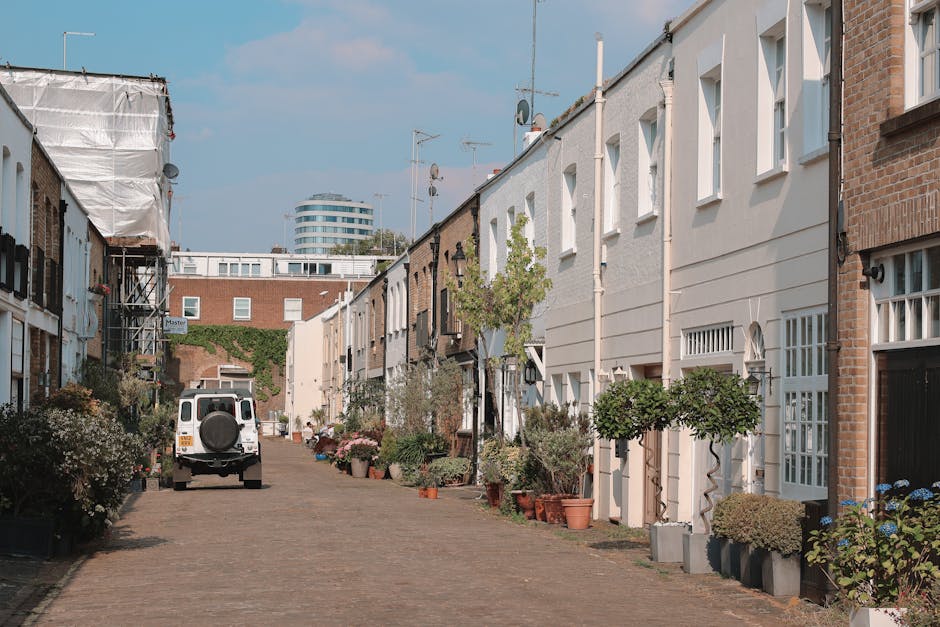
Rosslyn Hill properties often sit within a streetscape where visual character matters. Even when you are only responsible for your own garden, the result still needs to sit comfortably with the architecture around it. That is why experienced local gardeners tend to think in layers: surface, structure, planting, maintenance, and long-term upkeep. It sounds simple. It isn't always. But it works.
There is also the practical side. Courtyards can be shaded by adjoining buildings, terraces can be windy, and many period homes have access limits that make bringing tools through the property a little awkward. A gardener who understands these realities can plan around them instead of pretending they do not exist.
For homeowners, landlords, and managing agents, this matters because the garden is often seen before the interior. A tired, overgrown, or poorly maintained front terrace can make even a smart house feel neglected. On the other hand, a well-kept courtyard can lift the whole property. Quietly, but noticeably.
If you are thinking more broadly about ongoing upkeep, it can help to look at regular garden maintenance and the wider services overview so that the work matches the property's needs rather than just today's problem.
How Rosslyn Hill gardeners for period terraces and courtyards Works
The process usually starts with a proper assessment. Not a quick glance, but a close look at what the space actually does across the day. Where does the light fall in the morning? Which corner stays damp? Is there enough access for larger tools, or does everything need to be carried by hand through a side passage? Those details shape the whole plan.
Next comes the structure. In a period terrace or courtyard, structure is usually more important than volume. That might mean crisp edging, climbing support against a wall, clipped hedging, or a limited palette of plants repeated in a deliberate way. Repetition can be a gift in a tight space. It stops the design from feeling busy.
Plant choice is then matched to the conditions. Shade-tolerant plants for north-facing corners. Drought-aware planting for exposed terraces. Compact, restrained species where overgrowth would become a maintenance headache. A skilled gardener will usually favour plants that hold their shape and suit the house, not just plants that look good in a nursery pot on a sunny day.
Finally, there is the maintenance rhythm. That is where a lot of small gardens succeed or fail. Courtyards need less brute force than large lawns, but they often need more regular attention: deadheading, cutting back, sweeping, checking drainage, keeping paths clear, and watching for plants that start to bully their neighbours. Tiny jobs. Important jobs. The kind that can be done quickly when they are part of a routine, and become a nuisance when ignored for too long.
If the garden has become cluttered, blocked, or full of unwanted growth, a one-off garden clearance can be a sensible reset before the more detailed work begins.
Key Benefits and Practical Advantages
There are plenty of reasons to invest in thoughtful garden care for a period terrace or courtyard. The obvious one is appearance. But the deeper benefits are usually more practical.
- Better use of limited space: A compact garden should feel intentional, not squeezed.
- Less ongoing maintenance: The right planting scheme saves time every month.
- Improved drainage and cleanliness: Courtyards are especially sensitive to standing water, moss, and leaf build-up.
- More privacy: Strategic planting, screens, and soft boundary treatment can reduce overlooking.
- Stronger property presentation: Important for homeowners, landlords, and anyone preparing a property for sale or letting.
- Better seasonal enjoyment: Even small outdoor spaces can feel like an extra room when they are well planned.
There is also something less measurable. A well-kept terrace changes how a home feels when you step outside with a cup of tea first thing in the morning, or when the evening light hits a brick wall and the whole place suddenly looks calm. That sounds a bit sentimental, maybe. But it is true.
In practical terms, garden care in these settings also helps protect surfaces and structures. Roots, blocked gutters, trapped moisture, and creeping self-seeded growth can all cause headaches if ignored. A neat, well-managed garden is often a safer garden too. Not glamorous, but useful.
Who This Is For and When It Makes Sense
This kind of gardening is a strong fit for people who own or manage older homes with small outdoor spaces. That might include:
- homeowners with a terrace, courtyard, or rear lightwell
- landlords who want the property to present well between tenancies
- busy professionals who need the garden to stay tidy without constant attention
- older residents who want attractive outdoor space without heavy maintenance
- people renovating a period property and wanting the outside to match the interior standard
It also makes sense if the garden has a few recurring issues: shade, damp corners, narrow access, poor soil, or plants that have simply outgrown the space. These are not signs the garden is beyond help. Far from it. They are signs the garden needs a plan that suits its real conditions.
Truth be told, some spaces look "difficult" only because they have never been handled with the right restraint. A courtyard does not need to be packed with features. It needs thoughtful choices. That is the difference.
If you are comparing broader design or build options, landscape gardening and landscaping can be useful when the job involves more than routine upkeep and into layout, surfaces, or level changes.
Step-by-Step Guidance
Here is a sensible way to approach a Rosslyn Hill terrace or courtyard without overcomplicating things.
- Start with a full assessment. Note light, shade, damp, access, soil condition, and how you actually use the space.
- Clear out the clutter. Remove dead plants, broken pots, old supports, and anything that blocks circulation or light.
- Protect the hard surfaces. Period paving, brick paths, and retaining walls need careful cleaning rather than aggressive treatment.
- Set the structure first. Choose where the eye should go. That may be a focal pot, a bench, a climber, or a repeated line of planting.
- Select a restrained plant palette. Fewer species, repeated well, usually beat a crowded mix in compact spaces.
- Improve the practical layer. Check drainage, container drainage, irrigation access, and where water runs after rain.
- Plan maintenance by season. A little regular work is better than heroic catch-up sessions.
- Review after a month or two. Small spaces show their weaknesses quickly, and that is useful. Adjust early.
One useful habit is to walk the garden at a few different times of day. Early morning. Late afternoon. After rain. You will notice things you missed before: a dark corner that feels colder than expected, a pot that clashes with the facade, or a seat that gets lovely light at 5pm and none at lunchtime. Small observations, but they matter.
Expert Tips for Better Results
Experienced gardeners tend to focus on a few practical habits that make period terraces and courtyards much easier to live with.
First, respect restraint. Small spaces do not need too many materials, colours, or plant forms. In fact, too much variety can make them feel smaller. Choose a few textures and repeat them.
Second, use height carefully. Vertical planting, climbers, and trellis work can add depth without taking up ground space. But if height becomes too dense, you lose light. It is a fine line, and yes, it can be a bit annoying getting it right.
Third, keep paths and access clear. In narrow courtyards, one blocked route makes everything harder: sweeping, watering, moving pots, even opening a back door properly. Clear circulation is underrated.
Fourth, plan for winter as well as summer. A courtyard that looks great only in July is not quite enough. Evergreen structure, bark texture, clipped forms, and wall climbers can keep the space interesting in the cold months.
Fifth, stay realistic about watering. Containers dry out faster than people expect, especially on sheltered terraces or in windy spots. If the garden is busy or has lots of pots, consider a layout that reduces watering stress rather than adding more of it.
For hedge lines, boundary structure, or a bit of tidy control around the edges, hedge trimming can help keep the whole composition sharp without making it feel over-managed. And if overhanging trees are shading the space too heavily, tree lopping and removal may need to be discussed carefully, especially where light access is a real issue.
Common Mistakes to Avoid
Most of the problems in period terraces and courtyards come from trying to do too much, too fast, or without respecting the site conditions.
- Choosing plants for looks alone. A plant that looks lovely in a sunny nursery yard may hate your shaded courtyard.
- Overfilling the space. Too many pots, too many ornaments, too many little "features" - it starts to feel cluttered very quickly.
- Ignoring drainage. Courtyards often collect water in awkward places. If that is not addressed, you will keep seeing moss, staining, or soggy borders.
- Using harsh cleaning methods. Older stone and brick surfaces can be damaged by overzealous pressure washing or abrasive treatment.
- Letting climbers go unchecked. They are brilliant for softening walls, but they need direction. Otherwise they become a maintenance puzzle.
- Setting and forgetting container plants. Pots need more monitoring than borders. No getting around it.
A common one, actually, is installing a scheme that looks good on day one and then becomes awkward by month six. That is why maintenance planning is part of design, not an afterthought. If you ignore this piece, the garden begins to argue back a bit.
Tools, Resources and Recommendations
You do not need a shed full of specialist equipment to manage a small terrace or courtyard well, but you do need the right basics and a simple routine.
Useful basics include:
- lightweight hand tools for tight access
- secateurs and small loppers for deadheading and pruning
- a broom and dustpan for paved areas
- a watering can or hose setup that suits container placement
- good quality compost and mulch where planting beds allow it
- plant supports for climbers and top-heavy seasonal growth
Practical service considerations:
- Use lawn mowing only if the terrace includes a genuine lawn area; many courtyards do not, and forcing a lawn into the wrong setting can be more trouble than it is worth.
- Ask about pricing and quotes early, especially if the site has difficult access or a lot of detail work.
- For larger resets or neglected spaces, a one-off tidy before the regular schedule can be helpful.
Expert summary: the best tools are the ones that let you stay consistent. In small gardens, consistency beats intensity. Every time.
Law, Compliance, Standards, or Best Practice
For most household gardens, the main issue is not formal compliance in the legal sense, but sensible best practice. That said, there are a few areas where care matters.
First, work should be carried out safely and with suitable attention to access, trip hazards, waste handling, and safe use of equipment. If a provider is operating professionally, you would normally expect clear attention to health and safety policy and insurance and safety. That is just sensible, really.
Second, older terraces and courtyards often have shared boundaries, neighbour-facing walls, or access routes that need polite coordination. If a task involves overhanging branches, boundary planting, or waste removal through a shared passage, it is worth planning carefully rather than assuming access will be straightforward.
Third, waste should be handled responsibly. Green waste, soil, old pots, timber, and damaged features should be separated where possible and disposed of in line with good recycling practice. For many clients, it is reassuring to know a gardener takes recycling and sustainability seriously instead of tipping everything into one bin bag and calling it a day.
Finally, clear terms help everyone. Before work begins, it is smart to understand scope, timing, deposits if any, and what is included. The terms and conditions and related policies should be clear enough that there are no awkward surprises later. Not glamorous reading, I know, but useful.
Options, Methods, or Comparison Table
Different terrace and courtyard gardens benefit from different approaches. Here is a simple comparison of common methods.
| Approach | Best for | Strengths | Watch-outs |
|---|---|---|---|
| Regular maintenance | Established gardens that are already close to the desired look | Predictable, tidy, low-disruption | Won't fix deeper layout or drainage issues |
| One-off clearance and reset | Overgrown, cluttered, or neglected courtyards | Fast visual improvement, creates a clean starting point | Needs follow-up plan or it slips back |
| Soft landscaping refresh | Spaces that need better planting or a more coherent layout | Improves structure and seasonal appeal | Requires good plant selection and aftercare |
| Full redesign | Problematic sites, renovation projects, or gardens with poor circulation | Can transform function and appearance | More planning, cost, and decision-making |
In practice, many homeowners do best with a mix: a reset, then a maintenance rhythm, then a light design refresh when the time is right. That is usually more effective than trying to do everything at once.
Case Study or Real-World Example
Imagine a modest rear courtyard off a period terrace in Rosslyn Hill. The space has old brick walls, a narrow paved area, one tired shrub, a few mismatched pots, and a corner that stays damp after rain. The owner wants it to feel calm and usable, not fussy.
The first visit would likely focus on removal and observation. Dead material comes out, the pots are sorted, and the surface is checked for staining or moss. Then the plan would shift to structure: perhaps a climber on one wall, a pair of repeated evergreen containers, and a small seating area kept intentionally simple. If light is limited, the planting would lean toward shade-tolerant foliage with a few seasonal highlights rather than a crowd of flowering plants that demand constant deadheading.
The result would not be dramatic in a flashy sense. Better than that. It would feel coherent. You would step outside and know where your eye should settle. The space would be easier to water, easier to sweep, and easier to enjoy on an ordinary Tuesday evening when you just want a bit of air and quiet.
That kind of change is often the real win. Not a huge transformation showpiece. Just a space that starts to work.
Practical Checklist
Use this checklist before starting or commissioning work on a period terrace or courtyard:
- Have you assessed light, shade, and damp patterns?
- Do you know where water collects after rain?
- Is the access route clear for tools, materials, and waste removal?
- Have you identified any plants that are too large or too demanding for the space?
- Do you want a low-maintenance look or a more decorative, hands-on garden?
- Are hard surfaces being cleaned in a way that suits older materials?
- Have you considered privacy, screening, and neighbour sightlines?
- Is there a simple maintenance plan for weekly, monthly, and seasonal tasks?
- Are safety, insurance, and disposal arrangements clear?
- Does the final plan suit the architecture, not just the garden itself?
Small reminder: if a design idea looks lovely but creates constant work, it is probably not the right idea for a compact period space.
Conclusion
Rosslyn Hill period terraces and courtyards reward a careful hand. They are rarely about grand gestures. More often, they need restraint, good judgement, and a proper respect for the quirks of the space. When gardeners understand the light, the access, the materials, and the rhythm of upkeep, even the smallest garden can become one of the best rooms in the house.
The real goal is not just to make the garden look tidy today. It is to make it feel manageable, elegant, and quietly resilient over time. That is the sort of result people remember when they step outside in the early evening and everything just feels right for a moment.
If you are planning a refresh, a reset, or an ongoing care schedule, start with the space as it is, not as you wish it were. That honest first step usually leads to better outcomes - and fewer regrets later.
Get a free quote today and see how much you can save.
Frequently Asked Questions
What makes Rosslyn Hill gardeners for period terraces and courtyards different from standard garden services?
They need to work with tighter spaces, older materials, shade, access limits, and the visual character of period homes. It is less about mowing a large area and more about thoughtful, restrained care.
How often should a courtyard garden be maintained?
Most courtyards benefit from lighter, more regular attention than larger gardens. Weekly or fortnightly checks are often useful, with seasonal work layered in as needed. The exact rhythm depends on planting density and how quickly the space collects debris.
Can a small terrace still have strong planting interest?
Absolutely. In fact, small terraces often look better when planting is selective and repeated well. A few well-chosen plants usually create more impact than a crowded mix.
What are the biggest problems in period courtyard gardens?
Common issues include poor drainage, limited light, overgrown plants, cluttered layouts, and hard surfaces that are hard to clean safely. Access can also be awkward, especially in older properties.
Is a full redesign always necessary for a tired courtyard?
No. Sometimes a clearance, a better maintenance routine, and a few planting adjustments are enough. A full redesign makes sense when the layout is broken or the space does not function properly.
Do period terraces need special care for paving and brickwork?
Yes, they often do. Older stone, brick, and heritage-style surfaces can be damaged by harsh cleaning methods, so care and moderation matter. Gentle maintenance is usually the safer route.
What plants work well in shaded courtyards?
Shade-tolerant foliage plants, compact shrubs, and climbers suited to lower light are often a good starting point. The best choice depends on moisture levels, soil depth, and how much direct sun the space actually gets.
How do I keep a small garden from looking cluttered?
Use fewer materials, repeat a small number of plants, and keep access clear. Think in layers and zones rather than trying to fit every idea into one place. Less can be more, annoyingly enough.
When should I choose garden clearance instead of maintenance?
Choose clearance when the space is overgrown, blocked, or full of dead material and old debris. Maintenance is for keeping a garden in good order; clearance is for getting it back to a workable state.
Can gardeners help with privacy in overlooked terraces?
Yes. Screening plants, climbers, careful placement of tall containers, and boundary treatment can all help soften overlooking without making the garden feel boxed in.
What should I ask before booking work on a period courtyard?
Ask about experience with small and awkward spaces, access planning, what the visit includes, how waste will be handled, and whether safety and insurance arrangements are in place. Clear answers are a good sign.
How do I keep a courtyard interesting in winter?
Use evergreen structure, bark textures, clipped forms, and a few features that hold shape through the colder months. Winter interest is often about texture more than flowers.
Where can I learn more about the wider services available?
It is usually best to start with the site's services overview, then look at specific areas like garden maintenance or landscape gardening depending on what the garden needs most.
Helpful final thought: in a small period garden, the best results usually come from steady care, not drama. And that's a good thing.