Gardener Hampstead: Recycling and Sustainability for an Eco-Friendly Waste Disposal Area
 Gardener Hampstead champions a conscious approach to creating an eco-friendly waste disposal area and a resilient sustainable rubbish gardening area across the neighbourhood. Our strategy combines neighbourhood-level resource recovery with borough-aligned waste separation practices to reduce landfill, boost reuse and lower carbon emissions. We recognise that practical, community-focused recycling and sustainability work depends on clear targets, local infrastructure, and partnerships with reuse charities and service providers.
Our programme targets a clear recycling percentage: we aim to reach a 65% recycling rate by 2030 across green waste, food and mixed recyclables, progressing from the current baseline through steady annual improvements. This 65% target sits alongside an ambition to send zero garden and bulky household waste to landfill wherever reuse and composting options exist. Achieving this requires coordinated kerbside separation systems, local transfer stations and dedicated collection rounds tailored for householders and gardening clients.
 We work in step with the borough's approach to waste separation: clear streams for paper and card, glass, tins and plastics, food waste caddies, garden waste bins and a residual rubbish stream. These separated collections make it simpler to divert garden cuttings, potting soil, and organic plant material into composting facilities rather than disposal, creating a circular loop for green resources used by gardeners and residents.
Local Transfer Stations and Civic Amenity Access
Neighbourhood collections are supported by several nearby transfer stations and civic amenity sites within the borough and adjacent districts. These transfer hubs accept sorted loads from low-emission vans and bulk drop-offs from community green projects. By routing materials through local transfer stations we reduce haul distance and emissions while ensuring compostable and recyclable fractions are professionally processed.
Key functions near Hampstead include reuse depots, composting facilities for garden and food waste, and consolidation points for bulky horticultural material. Our emphasis on local processing helps maintain nutrient value in green wastes and supports a closed-loop system where recycled compost and mulches are returned to community gardens, parks and private gardens.
Low-Carbon Fleet and Sustainable Collections
We operate a growing fleet of low-carbon vans and electric-assisted vehicles for short-range collections and garden clearances. These vehicles cut particulate and CO2 emissions on narrow streets and reduce noise disruption during early morning collections. Investing in hybrid and fully electric vans is a practical way to combine efficient rubbish gardening area services with a lower-carbon urban logistics model. Partnerships with charities and community organisations are central to our sustainability model. We collaborate with local reuse charities, textile and furniture charities, community gardens and social enterprises to divert usable items from hire or clearances into social value channels. These partnerships create jobs, support vulnerable residents, and ensure materials continue to serve useful life cycles rather than becoming waste.
Our community-led reuse programme includes scheduled bulky-item pickups where eligible garden furniture, planters and tools are assessed for rehoming. When items are unsuitable for reuse they are separated for recycling streams: metals, wood, hard plastics, and mixed recyclables, consistent with the borough's separation rules. This reduces the volume of residual waste while maximising material recovery.
We also run seasonal composting collaborations with local allotments and community gardens to absorb high volumes of green waste during pruning seasons. This reduces transport and processing burden on external sites and returns rich organic matter to local soil systems, improving urban biodiversity and reducing dependence on external fertilizers.
Practical Sustainability Measures
 The sustainable rubbish gardening area initiative embraces multiple measures to reduce environmental impact:
- Kerbside separation compliance: Encouraging correct use of food and garden waste bins, and separation of recyclables at source.
- Local transfer station routing: Shorter journeys to transfer hubs to cut haulage emissions.
- Low-carbon collection fleet: Electric and hybrid vans for tighter urban routes.
- Charity partnerships: Prioritising reuse before recycling or disposal.
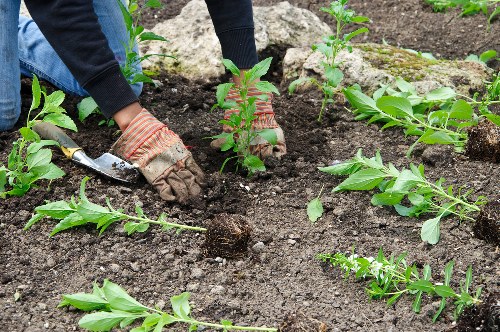 Our vision for Gardener Hampstead is to nurture an efficient, low-impact system that supports a thriving green economy in the area. By aligning with borough waste separation policies, investing in low-emission vehicles and transfer logistics, and deepening partnerships with local charities and community gardens, we build a resilient eco-friendly waste disposal area and a productive sustainable rubbish gardening area for everyone to enjoy.