Same day gardeners in Hampstead for storm damage and urgent jobs
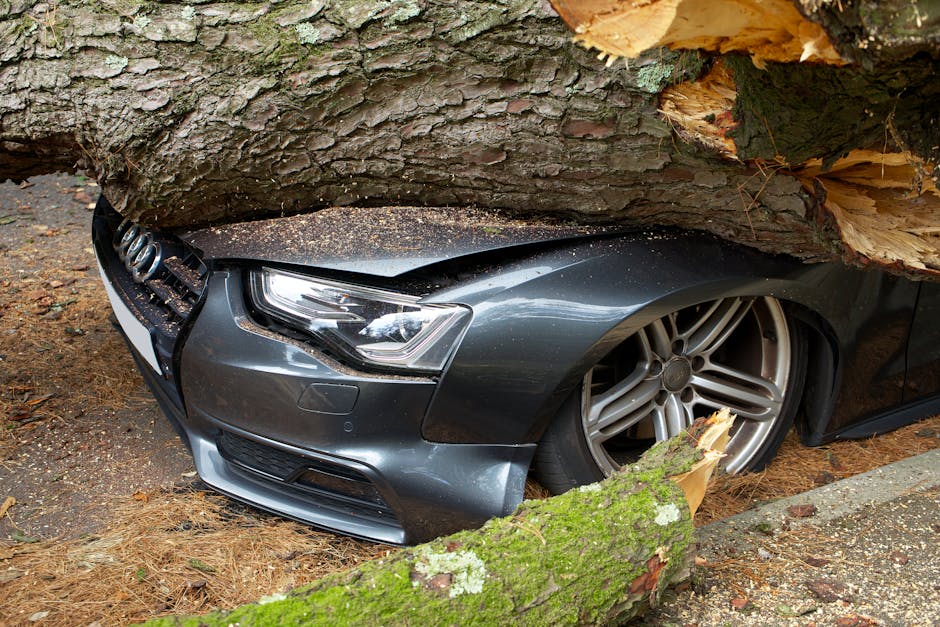
When a storm rolls through Hampstead, the aftermath is rarely tidy. A branch hangs awkwardly over a path, a hedge has been flattened, soil is washed out, and the garden that looked fine yesterday suddenly feels unsafe or just plain overwhelming. If you need same day gardeners in Hampstead for storm damage and urgent jobs, the priority is not a perfect garden makeover. It is getting the space stable, accessible, and back under control as quickly as possible.
This guide breaks down how urgent garden help works, what a same day visit can realistically cover, and how to decide what to tackle first. It also explains when you may need a specialist for larger issues, how to prepare for a quick response, and what to avoid if you do not want a small problem to become a bigger one by tea time.
Practical takeaway: in an urgent situation, speed matters, but sensible triage matters just as much. The best same day service does the essential safety work first, then follows up with proper clearance, repair, or maintenance.
Why Same day gardeners in Hampstead for storm damage and urgent jobs Matters
Storm damage in a garden is not always dramatic in the cinematic sense. It is often messy, subtle, and inconvenient: a cracked fence panel leaning into a border, a broken branch scraping a window, a hedge that now blocks a driveway, or wet debris making the path slippery. In a place like Hampstead, where gardens can be compact, sloped, mature, or closely shared with neighbours, those issues can affect more than appearances. They can affect access, privacy, safety, and even whether you can open a door without wincing.
Urgent garden work matters because small delays can lead to bigger headaches. A branch left hanging after wind can shift overnight. Broken stems can tear further in the next gust. Waterlogged lawns, compacted beds, and scattered debris can also make routine movement around the garden awkward. Let's face it, nobody wants to step over snapped ivy and twigs in the dark because the bins still need moving.
There is also the neighbour factor. In Hampstead, properties are often close together, and a fallen branch or overhanging shrub can quickly become a boundary issue. A quick same day visit can prevent tension, restore access, and make the space feel manageable again. That bit of calm after a storm is worth a lot.
For many households, the real value is peace of mind. You are not just paying for labour; you are buying a rapid reset. The garden stops feeling like a problem hanging over you.
How Same day gardeners in Hampstead for storm damage and urgent jobs Works
Same day garden support usually starts with a fast assessment. The gardener asks what happened, what looks unstable, and whether anything is blocking access or creating immediate risk. If you can send clear photos before arrival, that helps a lot. A picture of a hanging branch or damaged fence panel tells a story faster than a long phone explanation ever will.
Once on site, the work typically follows a simple order: safety first, access second, clean-up third, and tidy finish last. The team may remove loose debris, cut back dangerous growth, clear broken materials, and make the area safer to walk through or inspect. If the job is larger, they may stabilise the situation and then recommend a follow-up visit for fuller restoration.
In practice, same day jobs tend to fall into one of three buckets:
- Immediate safety work: removing snapped branches, clearing sharp debris, and restoring safe access.
- Urgent practical work: clearing blocked paths, trimming storm-hit growth, or dealing with windblown waste.
- Containment work: making an unsafe or messy area manageable until a fuller job can be scheduled.
If the issue relates to larger trees, unstable trunks, or significant structural damage, a gardener may not be the only trade you need. A specialist in tree lopping and removal can be more appropriate for heavier tree work, while broader site tidy-ups may sit better under garden clearance. That distinction matters. The right team saves time and reduces repeat visits.
It is also worth noting that urgent doesn't mean careless. Good gardeners still think through what can be cut, lifted, stacked, and removed safely. The best results come from a fast but measured approach, not panic with secateurs.
Key Benefits and Practical Advantages
There are a few clear reasons homeowners and landlords prefer same day help after storm damage. The first is obvious: speed. When a path is blocked or a branch is threatening a window, waiting days can feel unreasonable. The second is control. A fast response helps you stop the mess from spreading.
But there are other advantages people sometimes overlook.
- Reduced risk of secondary damage: loose debris can scratch surfaces, block gutters, or puncture soft landscaping if left too long.
- Better neighbour relations: quick action shows you are handling the issue responsibly.
- Less stress: urgent garden problems are annoying. Clearing them promptly takes a surprising weight off your mind.
- Practical access restored: driveways, side passages, and bin routes matter more than people think until they are blocked.
- Cleaner handover for follow-up work: once the garden is safe, it becomes much easier to assess what needs proper repair or maintenance later.
There is also a visual benefit. A storm-hit garden can look far worse than it is because broken foliage and scattered material create a sense of chaos. A same day tidy-up restores order quickly. That first sweep, that first pile of cuttings removed, can make the whole space breathe again. Sounds dramatic, maybe. But if you have stood at a back door staring into a branch pile after a wet and windy night, you know exactly what I mean.
Who This Is For and When It Makes Sense
This kind of service is for anyone who cannot sensibly wait for a routine appointment. That includes homeowners, tenants, landlords, letting agents, property managers, and sometimes small businesses with outdoor spaces. It is especially useful when the garden affects safe movement or the property's day-to-day function.
Typical situations include:
- a fallen or partially fallen branch
- hedges blown across a path or driveway
- storm debris spread across a lawn or patio
- damaged planting that needs cut-back before it worsens
- urgent clearance before visitors, inspections, or property viewings
- broken screening or overgrowth making a boundary unsafe or messy
It also makes sense if you are dealing with an older garden that already needed attention, and the storm has simply exposed weak points. A mature tree with dead wood, for instance, might have looked fine in calm weather but become a nuisance after one windy night. Same with a hedge that was overdue for cutting; once it moves too much in strong gusts, the mess can spread fast.
If the issue is less about emergency and more about a tired space needing attention after a rough season, a regular garden maintenance visit may be the more sustainable answer after the immediate job is handled. And if the area has become heavily cluttered with broken material, sticks, leaves, and damaged pots, a broader tidy-up under garden clearance is often the logical next step.
Truth be told, not every garden problem is a crisis. But if something feels unsafe, unstable, or suddenly unmanageable, it is sensible to treat it as urgent.
Step-by-Step Guidance
If you need help today, a clear process saves time. It also helps the gardener arrive ready, which is half the battle on a busy day.
- Identify the urgent issue. Is it a safety problem, an access problem, or a visual mess? Be specific if you can.
- Take a few photos. Wide shots and close-ups are both useful. This helps the gardener judge urgency and tools needed.
- Check for immediate hazards. If there are power lines, unstable walls, glass, or major tree movement, do not poke around. Keep clear and wait for professional advice.
- Explain what you need done today. For example: clear the path, remove loose branches, trim back damaged growth, or make the rear garden safe for access.
- Ask what can realistically be completed same day. Good communication prevents disappointment. A small emergency job may be resolved quickly; a larger storm recovery may need phased work.
- Prepare access. Unlock gates, clear a route to the affected area, and move fragile items if it is safe to do so.
- Confirm disposal and tidy-up expectations. You want to know whether debris will be removed, stacked neatly, or left for later collection.
- Review the immediate result. Walk the area with the gardener if possible. Check the paths, borders, and any spots that still feel risky.
A useful question to ask yourself is this: what is the one thing that would make the garden safe and usable again today? That answer usually sets the priority order very nicely.
If the work is part of a wider outdoor improvement plan, it may be worth looking at services overview once the urgent issue is under control. Sometimes a storm reveals the next project before you have even had time to clear the first one. Annoying, yes. But useful too.
Expert Tips for Better Results
Same day work goes more smoothly when the call-out is focused. In our experience, people who get the best outcome tend to do three things well: they show the problem clearly, they state the priority plainly, and they keep expectations realistic. That sounds obvious, but on a windy afternoon, obvious is gold.
Tip 1: Separate urgent work from nice-to-have work. If a hedge needs cutting and a branch is loose, deal with the branch first. Style can wait. Safety can't.
Tip 2: Mention hidden issues. Muddy footing, narrow side access, shared entry points, or a damaged gate can all affect how quickly work gets done.
Tip 3: Keep children and pets away from the job area. This sounds simple, but it's the thing people forget when they are trying to juggle normal life and an unexpected mess.
Tip 4: Ask about cuttings and waste. A tidy pile is not the same as full removal. If you need the area completely cleared, say so.
Tip 5: Think in phases. First make it safe. Then make it tidy. Then, if needed, restore the space properly. That sequence keeps things calm.
If hedges are part of the problem, a follow-up visit for hedge trimming can help bring shape back after storm breakage. If the lawn has been churned up by foot traffic or debris, a separate lawn mowing visit can help reset the surface once conditions are dry enough.
A small personal tip: make a quick note on your phone before the gardener arrives. One line is enough. It prevents that awkward "was it the branch by the fence or the one near the shed?" moment. Happens all the time, honestly.
Common Mistakes to Avoid
Urgent garden jobs can go sideways when people try to rush the wrong part of the process. The first mistake is assuming every damaged tree or branch can be dealt with like ordinary pruning. Sometimes it can; sometimes it absolutely cannot. Heavy, unstable, or structurally compromised material needs careful handling.
The second mistake is waiting too long because the garden "doesn't look too bad." After a storm, things can shift. What seems steady at 9 a.m. may be lying across the path by lunch. There is no prize for leaving it one more day.
Other common mistakes include:
- trying to drag heavy branches without checking how they are supported
- cutting into tangled material without thinking about tension points
- forgetting to secure pets, doors, or access routes
- booking only for clean-up when structural garden damage is the real issue
- failing to ask what happens to waste material afterward
- expecting a same day visit to replace a full landscaping project
It is also worth avoiding vague instructions. "The garden is a bit messy" is not enough if a branch is actually pressing against fencing. Use plain language. Be direct. It saves everyone time.
Tools, Resources and Recommendations
For homeowners, the most useful tools are often not tools at all. They are simple bits of information that help the gardener act quickly and safely.
- Phone photos: give context before the visit.
- A clear access path: helps the team reach the affected area faster.
- Basic protective awareness: keep well clear of hanging branches, loose boards, or unstable edging.
- A short written note: useful if you are at work and arranging access for someone else.
- Follow-up plan: if the storm damage revealed broader garden neglect, decide what can wait and what cannot.
From a service perspective, some jobs are best paired with broader upkeep. For example, after urgent debris removal, a round of garden maintenance keeps regrowth, dead material, and clutter from creeping back. If the issue extends to hard structures or surfaces, landscaping or landscape gardening may be the better long-term route once the immediate pressure is gone.
And if a damaged deck or slippery outdoor platform is part of the problem, it is sensible to consider decking services only after the site has been made safe and properly assessed. Wet timber and broken edges are not the place for guesswork.
A little practical recommendation: keep a list of the last known problem areas in the garden. The corner where branches always gather, the path that holds water, the hedge that grows like it has ambitions. It makes future urgent calls much easier.
Law, Compliance, Standards, or Best Practice
Storm recovery work in gardens is usually straightforward, but safety and responsibility still matter. In the UK, general expectations around safe working, duty of care, and waste handling are part of sensible practice, even when a job is small and local. You do not need to become a compliance expert, thankfully, but you should expect a professional approach.
That usually means the gardener considers access, hazards, and the right method before starting. If trees are involved, extra caution is needed because unstable limbs can behave unpredictably. If waste is being taken away, it should be handled responsibly and in line with normal disposal expectations. If a job seems more complex than a tidy-up, a careful contractor will say so rather than pretending everything is fine.
Insurance is another quiet but important point. For urgent outdoor work, especially where there is damage near structures, paths, or neighbouring boundaries, it is sensible to use a provider that takes insurance and safety seriously. You should also expect clear terms around scope, timing, and payment. That transparency is not paperwork for the sake of it; it is what keeps everyone protected if the job changes on site.
For more detail on how a professional service approaches this, the pages on insurance and safety and health and safety policy are useful reference points. If you want to understand general service expectations, pricing and quotes and terms and conditions can also help set expectations before work begins.
One more thing, because it gets overlooked: if you are in doubt about whether a damaged tree or branch is safe to touch, err on the side of caution. No garden tidy-up is worth a trip to A&E. A slightly dramatic sentence, maybe, but still true.
Options, Methods, or Comparison Table
Not every urgent garden issue needs the same response. Here is a simple comparison to help you judge the best route.
| Situation | Best immediate response | Typical follow-up | Notes |
|---|---|---|---|
| Loose branches after wind | Same day safety clearance | Pruning or tree assessment | Fast action reduces further breakage |
| Blocked path or access route | Debris removal and tidy-up | Garden maintenance | Focus on restoring safe movement first |
| Flattened hedge or broken stems | Cut-back and stabilise damaged growth | Hedge trimming | Shape may need restoring later |
| Large quantities of storm debris | Clearance and waste removal | Ongoing upkeep | Useful where the garden feels overwhelmed |
| Tree damage with unstable limbs | Careful specialist response | Tree lopping and removal if needed | Do not treat as a routine trim |
The table shows a simple truth: urgent work is often about choosing the right level of response, not just the fastest one. Quick is good. Correct is better.
Case Study or Real-World Example
Picture a fairly ordinary Hampstead morning after a windy night. A resident opens the side gate and finds that a heavy hedge branch has collapsed across the narrow passage. A few cracked twigs are pressed into the soil, a plant pot has tipped over, and the wheelie bin route is now blocked. Nothing catastrophic. But awkward, and a bit worrying.
The first priority is access. The gardener arrives, checks what is loose, and clears the route without dragging anything unstable across the paving. Then the broken hedge material is cut back to a safer point, the scattered debris is collected, and the boundary line is made neat enough that the resident can walk through without side-stepping every metre. The work is finished with a quick clean-up, because no one wants a second mess after the first one has just been conquered.
Later, once things are dry, the homeowner arranges a more thorough hedge tidy and ongoing care. That staged approach works well because it solves the immediate problem without pretending the whole garden was suddenly perfect again.
That is often how urgent garden jobs should be handled: one practical step at a time. Not glamorous. Just effective.
Practical Checklist
Use this quick checklist before and during your same day call-out.
- Identify the exact hazard or urgent issue
- Take clear photos from a safe distance
- Keep children and pets away from the area
- Check whether access gates and paths are open
- Note any blocked entrances, damaged fencing, or slippery patches
- Decide whether you need safety clearance, tidy-up, or fuller garden work
- Ask what waste will be removed and what will be left behind
- Confirm if the issue might need follow-up tree, hedge, or maintenance work
- Review the finished area once the urgent job is done
- Book a second visit if the garden still needs proper restoration
If the job is bigger than you expected, do not feel bad. Storms have a habit of exposing the stuff we have all been meaning to sort out anyway. Gardens do that. They quietly tell the truth.
Get a free quote today and see how much you can save.
Conclusion
Same day gardeners in Hampstead for storm damage and urgent jobs are about more than a fast arrival. They are about restoring safety, removing stress, and giving you back a space that feels usable again. The best urgent response is focused, practical, and calm: deal with the hazard, clear the mess, and leave the garden in a state where the next step is obvious.
If you are facing storm damage right now, the smartest move is to act early, explain the issue clearly, and choose a team that understands both urgency and judgement. A good gardener will know when to clear, when to trim, when to hold back, and when a bigger specialist job is needed. That balance really matters.
And once the wind has passed and the garden is breathing again, there is something reassuring about standing at the back door and seeing order where there was chaos an hour earlier. Not fancy. Just peaceful. Sometimes that is enough.
Frequently Asked Questions
What counts as a same day gardening job in Hampstead?
It usually means an urgent outdoor issue that needs attention on the day you call, such as storm debris, a blocked path, broken hedge growth, or a safety concern that cannot reasonably wait for a routine booking.
Can same day gardeners remove storm-damaged branches?
Yes, if the branches are safe to handle and the job fits within a gardener's scope. Larger or unstable tree damage may need a more specialist approach, especially if the material is heavy or under tension.
How quickly can a gardener usually arrive?
That depends on the day's schedule, the severity of the issue, and access to the property. Same day does not always mean instantly, but it does mean the work is prioritised for the earliest practical slot.
What should I send before the gardener arrives?
Photos are the most helpful thing. A few images showing the damage, the access route, and the area around the problem give a much clearer picture than a long message alone.
Is urgent garden work more expensive than routine maintenance?
It often can be, because rapid scheduling and out-of-plan work may require more flexible timing. The exact cost depends on the size of the job, disposal needs, and how complex the damage is.
What if the storm damage is actually a tree problem?
If the issue involves a large tree, unstable limbs, or anything that looks structurally risky, it may need specialist attention rather than standard garden trimming. That is the sensible call, even if it slows things down a bit.
Can a same day visit also include tidy-up work?
Yes, and that is often the best outcome. A gardener may first make the area safe, then clear visible debris, and then tidy the garden enough that it feels usable again.
Should I try cutting storm damage myself?
Only if the material is clearly small, stable, and safe to handle. If branches are hanging, wedged, or heavy, it is better to leave them alone and get help. Guessing here is not a good idea.
What if my garden access is blocked?
Tell the gardener before arrival if you can. They may need to enter through a different route, bring specific tools, or adjust the plan to focus on opening access first.
Do gardeners handle the waste after urgent jobs?
Often they do, but you should confirm this before work begins. Some jobs include debris removal, while others may only include cutting and stacking. It is worth asking plainly.
Can urgent gardening help prepare a property for visitors or a letting inspection?
Yes. A quick clean-up, branch removal, or border tidy can make a big difference if you need the space looking presentable in a short timeframe.
How do I know whether to book maintenance or emergency help?
If the issue is unsafe, blocked, or likely to worsen quickly, book urgent help. If it is mainly an overgrowth or general upkeep problem, a regular maintenance visit may be enough. Sometimes the answer is both: urgent first, maintenance later.
If you are unsure which route fits your situation, start with the immediate risk. That little bit of clarity usually makes the rest much easier.