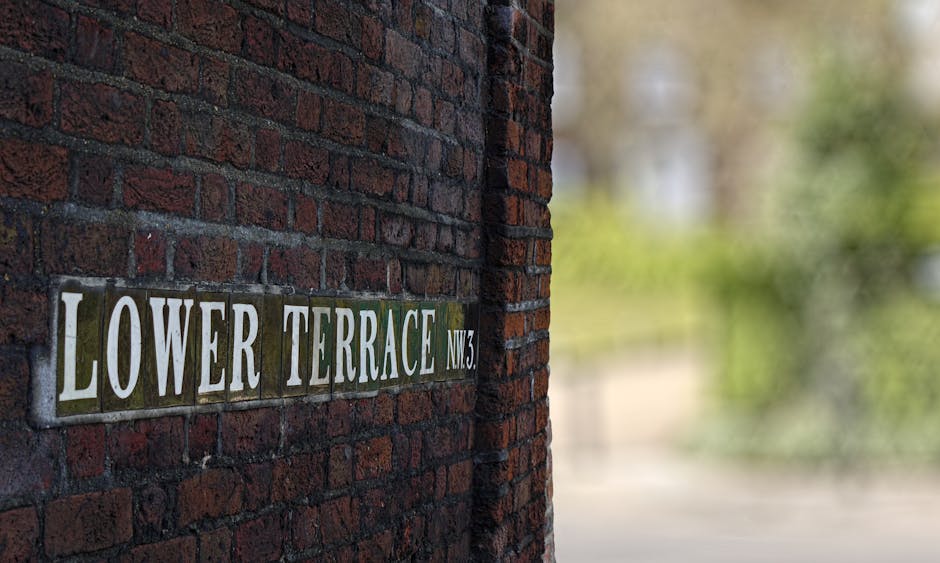
What to know about access problems for Hampstead gardeners
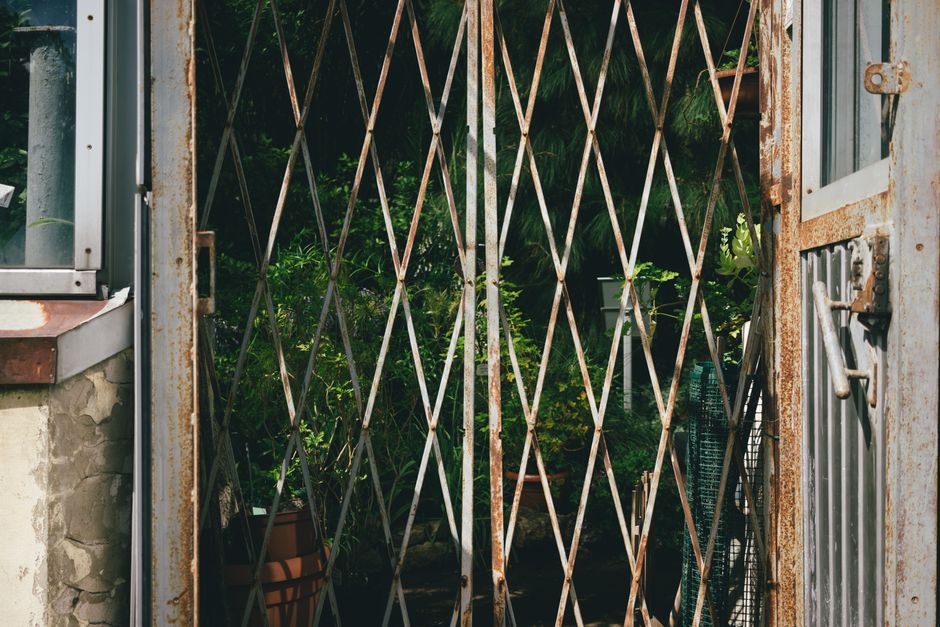
Gardens in Hampstead can be beautiful, tucked-away spaces with real character. They can also be awkward. Narrow side gates, shared passageways, steep steps, basement gardens, tight terraces, awkward parking, and "just one more door" to get through are all part of the picture. If you are trying to understand What to know about access problems for Hampstead gardeners, the short version is this: access changes everything. It affects how work is planned, how long it takes, what equipment can be used, and what needs to be protected along the way.
That does not mean the job is impossible. Far from it. It just means a good gardener needs to think a little differently before the first spade goes in the soil. In this guide, we will look at the common access issues, why they matter, how professionals work around them, and what you can do to make a garden visit smoother, safer, and less stressful. Truth be told, the best results usually start before anyone arrives on site.
Why access problems matter in Hampstead gardens
Access is not just a logistical detail. It shapes the whole job. If a gardener cannot easily reach the back garden, move materials through the property, or bring tools in and out without damaging paths or walls, the work naturally takes longer and becomes more complex. In older Hampstead homes, that is very common. You might have a long narrow passage, a shared entrance, a basement lightwell, or a front garden with delicate stonework that is not made for heavy foot traffic.
Why does this matter so much? Because access problems affect three things at once: time, cost, and risk. Time increases because every trip in and out takes longer. Cost can rise if extra labour, specialist equipment, or extra visits are needed. Risk rises when people have to carry sharp tools, heavy waste, or bulky materials through tight spaces. That is where small accidents happen. A scraped wall here, a broken planter there. Annoying, avoidable, and sometimes expensive.
In practical terms, access issues also shape what services are realistic. A quick lawn tidy may still be straightforward, but a large garden clearance in a narrow terrace with no rear gate is a different story entirely. The same goes for hedge work, tree removal, or a full redesign. If the access route is tight, the gardener needs to know before the quote is agreed. Nobody likes surprises on the day. Let's face it, gardens already have enough surprises of their own.
How access challenges are handled in practice
Good gardening work starts with a simple question: how do we get to the job, and how do we move safely once we are there? For Hampstead properties, the answer usually comes from a quick site assessment, a few clear photos, and a conversation about the route in and out. Sometimes that means a front-to-back carry through the house is the only option. Sometimes it means using smaller tools instead of larger machinery. Sometimes it means splitting the work into stages.
A professional approach usually looks like this:
- Review the garden layout and access points before the visit.
- Check gate widths, side passages, steps, slopes, and surface conditions.
- Identify any fragile surfaces, ornaments, or indoor routes that need protection.
- Plan the right equipment and the smallest safe team for the task.
- Decide whether waste removal, material delivery, or plant movement needs extra time.
- Confirm the plan with the client so everyone knows what to expect.
This is especially useful for services that involve bulky waste or heavier materials, such as lawn mowing on a larger site, hedge trimming with trimmings to remove, or tree lopping and removal where branches may need careful dismantling and carrying. The job is rarely about force. It is more about sequence, patience, and not clattering into the flower pots on the way through.
One thing people sometimes miss: access affects storage during the job too. If a team cannot park close by, tools may need to be loaded and unloaded more than once. If materials need to be staged in the garden, they need a dry, level place to sit. If the weather turns wet, muddy routes can become slippery very quickly. A damp morning in London can change the feel of a site within minutes.
Key benefits and practical advantages
Planning for access problems may sound like admin, but it pays off fast. The benefits are not abstract; they show up in the quality of the work and the ease of the day itself.
- Cleaner results: fewer scuffs on walls, fewer crushed plants, fewer accidental marks on paving.
- Better time management: the gardener can schedule the job properly instead of improvising under pressure.
- Safer handling: tools, ladders, and waste can be moved with less chance of injury or damage.
- More accurate quoting: the client gets a realistic price rather than a guess.
- Less disruption: neighbours, shared hallways, and household routines are less likely to be disturbed.
There is also a quieter benefit: confidence. When access is discussed in advance, the whole process feels calmer. You know who is coming, what route they will use, and whether they need gates unlocked or bins moved aside. That sounds small, but it makes a real difference on the day.
For gardens that need regular care, the impact is even bigger. If a team understands the site, ongoing garden maintenance becomes more efficient over time. They learn the narrow bits, the awkward hinges, the uneven steps, the gate that sticks a bit in wet weather. That knowledge saves minutes every visit, and minutes become money. It all adds up.
Who this is for and when it makes sense
This topic matters for more people than you might think. It is not just for large estates or difficult commercial sites. In Hampstead, access problems can affect all kinds of properties.
- Homeowners with side-return gardens, basement access, or narrow terraced layouts.
- Landlords preparing a rental property for tenants and needing tidy, efficient work.
- Residents in mansion blocks or shared properties where access must be coordinated with neighbours or building managers.
- People planning landscaping work where soil, timber, turf, or paving materials have to be carried through limited entry points.
- Anyone booking seasonal work like hedge cutting, clearance, or lawn care when the garden is already full of clutter, pots, or outdoor furniture.
It also makes sense whenever you are comparing different kinds of work. A small trim may be manageable through a slim gate, while a full redesign may require a more detailed plan. If you are thinking about landscape gardening or a larger landscaping project, access is part of the design conversation, not something to sort out at the end.
Some people only realise access matters when the quote comes back higher than expected. Others notice it on the day, when the team has to carry bags of compost up a long stairwell. Better to spot it early. That is the honest answer.
Step-by-step guidance
If you want the job to run smoothly, here is the practical sequence we would suggest. Nothing fancy. Just solid planning.
1. Walk the route from street to garden
Do a proper walk-through, not a quick glance. Check the front door width, side passage, steps, gate locks, any sharp turns, and whether there is enough head height for carrying tools or branches. If the route feels tight for you, it will probably feel tight for a wheelbarrow too.
2. Measure the tricky bits
Gate width, passage width, stair depth, and the narrowest point in the route are the measurements that matter most. You do not need engineering precision, but rough guesses can be misleading. A few centimetres can change what equipment is realistic.
3. Take clear photos
Photos help the gardener understand what they are dealing with before they arrive. Take shots of the entrance, the full access route, any steps, the working area, and anything fragile nearby. A short video walk-through can be even better. A bit old-school, maybe, but it works.
4. Flag anything that needs protection
Stone edging, indoor flooring, narrow painted hallways, glass doors, and ornaments all need attention. If waste has to be carried through the property, say so. If there is a pet flap, a shared hallway, or restricted building access, mention that too.
5. Ask how the job will be done
This is the big one. Ask whether the team will bring smaller tools, split the work into phases, use bags instead of barrows, or need parking close by. If the answer is vague, ask again. A clear plan is part of a professional service, not a nice extra.
6. Agree on waste handling and cleanup
Access issues often become waste issues. Cuttings, old turf, branches, soil, and broken materials all need a path out. If the route is awkward, ask how waste will be removed and whether the area will be left tidy afterwards. If needed, work alongside a garden clearance plan so the job does not stall halfway through.
7. Check the finish before the team leaves
Walk the route back with them. Look at the gates, surfaces, and the work area. If something has rubbed, marked, or shifted, it is much easier to deal with immediately rather than later on when no one quite remembers where that branch went.
Expert tips for better results
Here are a few things that make a surprisingly big difference.
Keep the route clear before the appointment. Move bikes, bins, plant pots, and loose furniture out of the way. It sounds obvious, but people forget when they are busy. We all do it.
Use the smallest sensible equipment. Not every job needs a large machine. In tight Hampstead access routes, hand tools and compact tools often give better control and less disturbance.
Plan around neighbours. Shared entrances and narrow streets can make timing more important than people expect. Mid-morning is often easier than the school-run rush or late-afternoon parking chaos.
Protect corners and surfaces early. A towel, sheet, or temporary board in the right place can prevent scuffs on painted walls or polished floors. Cheap insurance, basically.
Think about weather. Wet leaves, damp steps, and muddy shoes can turn a tight access route into a slip risk. London drizzle has a way of appearing just when you have lifted something heavy. Annoying, yes, but predictable enough to plan for.
Be honest about the awkward bits. If the basement door sticks, the side gate sags, or the delivery path crosses through the kitchen, say it. Clear information saves time and avoids misunderstandings.
If you are arranging more substantial improvements, good access planning matters even more for projects like decking. Materials need storing, cutting, and moving without damaging the rest of the property. The same is true for work booked through decking services, where panel sizes, timber lengths, and safe carrying space all need thought before day one.
Common mistakes to avoid
A lot of access problems are not really problems at all. They become problems because people assume too much. Here are the usual slip-ups.
- Assuming the gardener will "just work it out". Good professionals do adapt, but they still need information first.
- Underestimating waste volume. A small hedge trim can produce a surprising amount of cuttings. A tree job even more so.
- Forgetting about parking. If the nearest legal parking is far away, the job may take longer than expected.
- Not warning about shared spaces. Communal hallways, narrow stairs, and limited access windows can all affect timing.
- Leaving fragile items in the route. One loose ceramic pot can become a disaster if it sits just where a barrow needs to pass.
- Booking the wrong type of service. If the garden needs a full clear-out, regular mowing alone will not solve it.
A small but common one: people ask for a quote using only the garden size, then forget the access route. That is a bit like ordering a sofa by looking at the showroom model and ignoring the stairs. The dimensions matter. The route matters more than you think.
Tools, resources and recommendations
You do not need a full toolkit to prepare for access issues, but a few simple things help a lot.
| Item or resource | Why it helps | Best use |
|---|---|---|
| Measuring tape | Checks gate, passage, and step dimensions | Before quoting or booking |
| Phone camera or video | Shows the access route clearly | Sharing details before the visit |
| Painter's tape or temporary markers | Helps mark tight edges or protect areas | When a route is especially narrow |
| Moving blankets or sheets | Protects indoor surfaces | When tools or materials pass through the home |
| Clear storage space | Gives gardeners somewhere safe to stage materials | During clearance or landscaping work |
For larger or more technical jobs, choose a company that can explain how it handles safety and access rather than one that simply says "no problem" and hopes for the best. A useful place to start is the company's services overview, which should help you understand what kind of work is available and how different tasks might be approached.
It can also be worth checking practical pages such as pricing and quotes if you want to understand how access complexity might affect the estimate. Sometimes a slightly higher price reflects extra labour or more careful handling, not inefficiency. That distinction matters.
Law, compliance, standards and best practice
Access planning is not usually a legal drama, but it does sit close to health and safety, property care, and good working practice. In the UK, anyone carrying out garden work should think carefully about safe manual handling, trip hazards, secure access routes, and the protection of property surfaces. That applies whether the job is a quick tidy-up or a larger maintenance visit.
For clients, the best practice is straightforward: provide accurate access information, warn about hazards, and make sure the working route is reasonably safe and usable. For gardeners and contractors, the expectation is just as clear: assess the site, use suitable tools, work carefully around risk points, and communicate if the plan changes.
If the work involves ladders, heavy branches, sharp tools, or repeated carrying through a confined space, that care becomes even more important. If you want to understand how a provider approaches those responsibilities, look at the business's health and safety policy and insurance and safety information. Those pages should give you a sense of whether safety is taken seriously or treated as an afterthought.
Accessibility is another useful lens here. Not every garden user has the same mobility or reach, and not every building allows easy movement. Reasonable adjustments in layout, communication, and timing often make the whole process safer and kinder for everyone involved. If you want to see how a provider frames its own approach, the accessibility statement can be helpful to read.
One more thing: if waste is being removed, disposal should be handled responsibly. That is not just about neatness. It is about reducing mess, preventing nuisance, and keeping the job consistent with sensible environmental practice. You can also look at recycling and sustainability to understand how green waste and materials are approached.
Options and comparison table
Not every access issue needs the same solution. In fact, choosing the wrong approach can make things slower. Here is a simple comparison of common options.
| Access approach | Best for | Pros | Trade-offs |
|---|---|---|---|
| Carry tools and waste by hand | Very tight access or indoor routes | Flexible, low equipment footprint | Slower, more labour-intensive |
| Use smaller tools and containers | Narrow gates, delicate gardens | Less disruption, easier handling | May take longer on larger jobs |
| Split the job into phases | Large clearances or landscaping work | Safer, more controlled | Requires more scheduling |
| Plan for parked vehicle access nearby | Waste-heavy jobs and larger tasks | Efficient material movement | Dependent on parking availability |
| Bring in specialist help for tree or structural work | Complex or high-risk access situations | Better control and safety | Can increase cost and planning time |
If you are deciding between routine maintenance and a more complete reset, this is where the difference shows. A small recurring task can usually be managed with care and consistency. A larger seasonal or one-off project may need a more strategic approach, especially if the garden is layered with years of growth and clutter. Not glamorous, but very real.
Real-world example
Imagine a Hampstead terrace with a narrow front entrance, a long hallway, and a back garden that can only be reached through the house. The client wants a tidy-up, hedge reduction, lawn cut, and removal of old cuttings. On paper, it sounds like a fairly ordinary maintenance visit. In practice, it needs a plan.
The gardener arrives having already seen photos of the route. Small tools are selected rather than larger equipment. Protective covers are laid in the hallway. Waste bags are kept light enough to carry safely through the property. The hedge work is completed first while the route is still clear, and the lawn mowing follows once the bulkier cuttings are out of the way. Nothing dramatic. Just a sensible order of operations.
Because the access plan was thought through, the job finishes with no damaged walls, no awkward delays, and no "we'll just carry this through the living room and hope for the best" moment. Which, to be honest, is exactly the kind of moment everyone wants to avoid.
That same approach would matter even more if the client later decides to upgrade part of the garden with new planting or a stronger structure. Access planning done now can prevent bigger headaches later. There is a kind of hidden efficiency in that.
Practical checklist
Use this quick checklist before booking or visiting a Hampstead garden site.
- Measure the narrowest gate or passage.
- Check for steps, slopes, and uneven surfaces.
- Take clear photos of the access route.
- Tell the gardener where tools and waste must travel.
- Note any fragile floors, walls, or ornaments.
- Confirm whether parking is nearby and legal.
- Remove bins, toys, bikes, and loose furniture.
- Ask what equipment will be used.
- Clarify whether the job needs multiple visits.
- Confirm how waste and cuttings will leave the property.
- Review the final route before the team departs.
If you can tick off most of those points, you are already ahead of the curve. And that is not a small thing. It can save a lot of bother later.
Conclusion
Access problems are a normal part of working in Hampstead gardens, not a sign that a project is doomed. The key is to treat access as part of the job from the beginning. When you do that, the work becomes safer, cleaner, more predictable, and usually more cost-effective too. Narrow doors, awkward steps, shared hallways, and tight streets are all manageable when they are understood early.
The main takeaway is simple: better information leads to better gardening. A few photos, a few measurements, and an honest conversation can make all the difference. That is especially true in a place like Hampstead, where the charm of the property often comes with a few logistical quirks. Charming, yes. Straightforward, not always.
If you are weighing up the next step, start with a clear discussion of access, the scope of work, and the likely route through the property. If you want to review the wider service options and practical details first, the site's about us and services overview pages are a sensible place to begin.
Get a free quote today and see how much you can save.
And if your garden access feels a bit fiddly right now, that is okay. Most good work starts with a problem someone else thought was too awkward. It usually isn't.
Frequently Asked Questions
What are the most common access problems for Hampstead gardens?
The most common issues are narrow side passages, steep steps, shared entrances, basement access, limited parking, and routes that pass through the house. Older properties often have more than one of these at once.
Do access problems always make garden work more expensive?
Not always, but they often increase labour time or make the work more complex. A simple task may still be affordable, while a clearance or landscaping project can need extra planning and care.
Should I mention access issues before asking for a quote?
Yes. It helps the gardener give a more accurate estimate and avoid surprises later. Photos and rough measurements are usually enough to start with.
Can gardeners work through my house if there is no rear access?
Often they can, provided the route is safe and agreed in advance. Protecting flooring and walls becomes important, and the job may take longer.
What if my gate is too narrow for larger equipment?
The gardener may use smaller tools, carry materials by hand, or split the work into stages. In some cases, a different method is simply the better option.
How do access issues affect garden clearance?
Clearance jobs create a lot of movement in and out of the property, so access becomes a major factor. Waste volume, carrying distance, and parking all matter.
Is parking part of the access problem?
Yes, very often. If a vehicle cannot park nearby legally, the team may need extra time to unload tools and remove waste. That can affect pricing and scheduling.
What should I photograph before the gardener arrives?
Take photos of the entrance, the full route to the garden, any steps, the working area, and anything fragile along the way. A short video can help too.
Do I need to clear the route myself?
It is very helpful if you do. Removing bins, bikes, plant pots, toys, and furniture gives the team a safer, faster route to work through.
How do I know if a gardening company is set up for access challenges?
Look for clear communication, sensible questions during quoting, and practical information about safety and insurance. A professional provider should explain how it will manage the site, not just say yes to everything.
Are access problems a concern for hedge trimming or tree work?
Definitely. Those jobs can involve ladders, cut branches, and bulky waste, so the route in and out matters a lot. Tight access may require a more careful setup or a different working method.
What is the best first step if I am unsure about access?
Send a few clear photos and describe the route in plain language. If possible, include measurements and mention any awkward points. That is usually enough for a sensible initial assessment.